
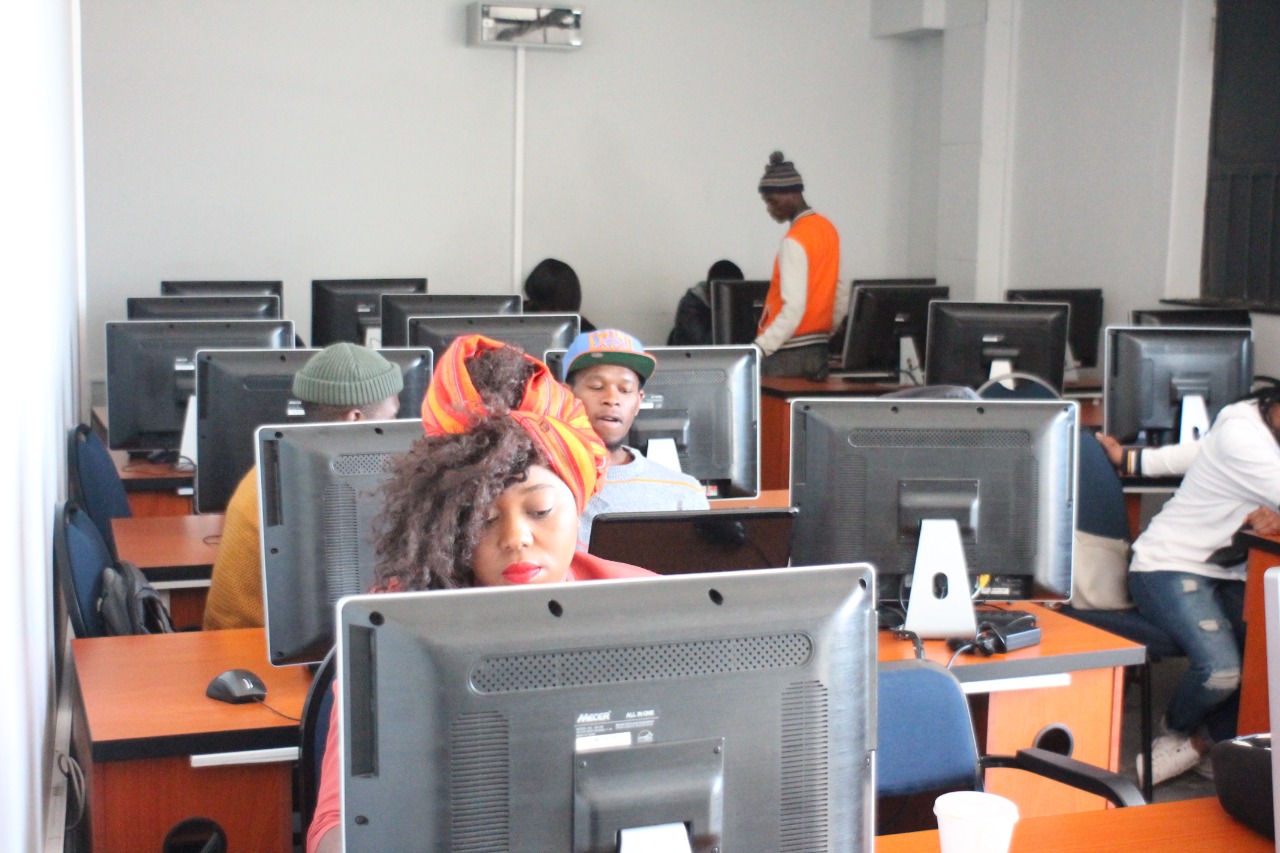
Access to digital technology
The work focuses on accelerating access to digital technology and tools for disadvantaged rural and emerging communities.
SHUTWWEP's learning paths incorporate digital technology, innovation, and systems in the context of Industry 4.0 so that learners and beneficiaries are equipped with 21st century critical skills and competences.
The source content is not just about internet access in the abstract. It frames digital inclusion as preparation for a future of work and learning shaped by technology, innovation, and changing systems.
Why it matters
Equip learners and beneficiaries with the critical skills and competences needed for the future.
SHUTWWEP aims to ensure that learners can solve workplace challenges while meaningfully contributing to their own growth and to their communities.
Rather than describing inclusion in abstract terms, the SHUTWWEP content ties it directly to technology access, Industry 4.0, critical skills, and community contribution.
The work focuses on accelerating access to digital technology and tools for disadvantaged rural and emerging communities.

Learners are introduced to innovation and systems thinking in the context of the technological changes shaping modern work.

Programmes emphasise critical skills and competences that support both employability and practical problem-solving.

Digital inclusion is framed as personal growth tied to stronger participation and contribution within the wider community.
The text in `data/digitalinclusion` points to a specific gap: disadvantaged rural and emerging communities need both tools and the competencies to use them in meaningful ways.
Disadvantaged rural and emerging communities are still unevenly equipped with the digital technology, tools, and systems access needed to participate confidently in modern work and learning environments.
The organisation accelerates access while building the critical skills and competencies learners need to engage with technology, adapt to change, and contribute meaningfully to local growth.
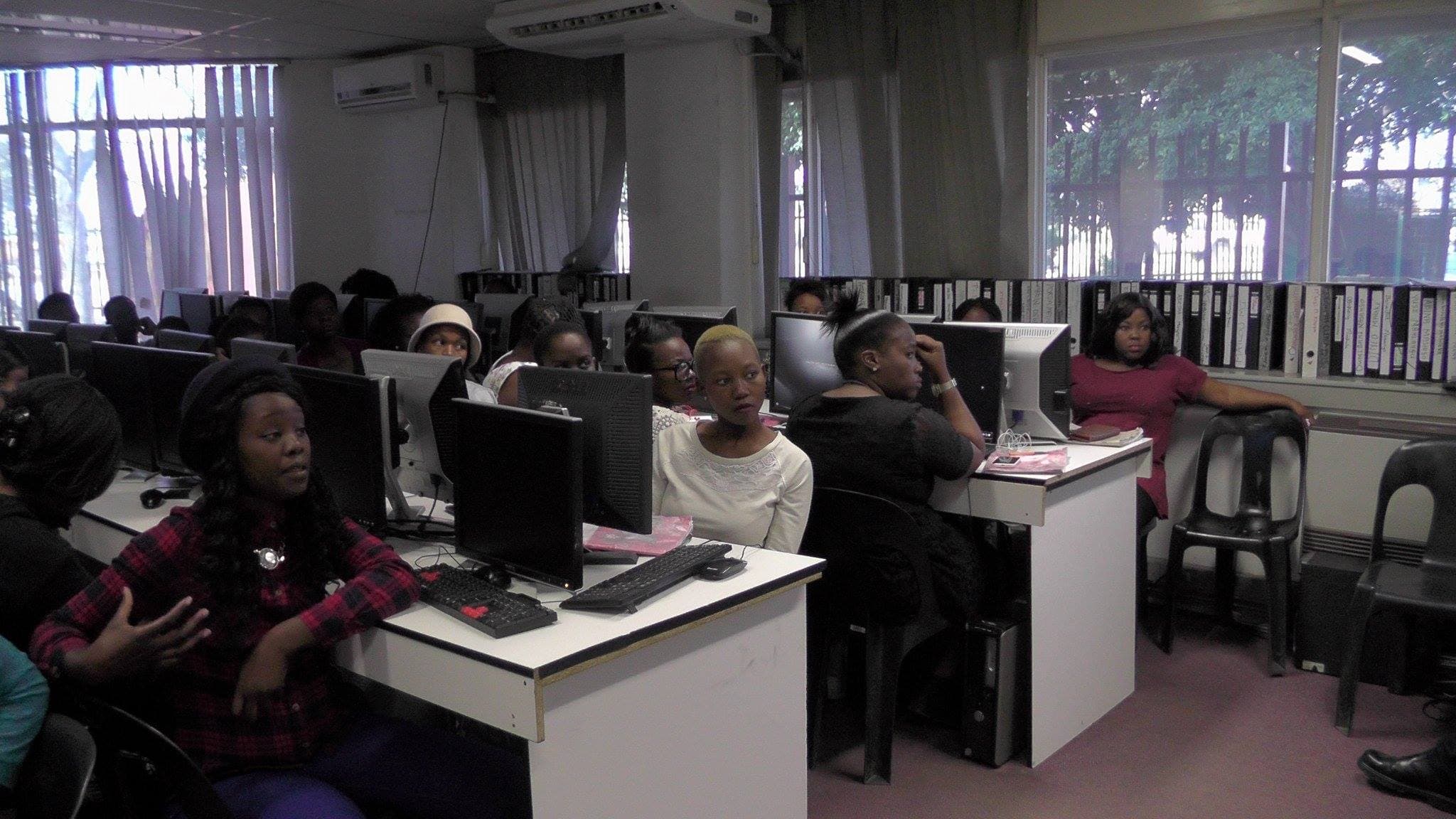
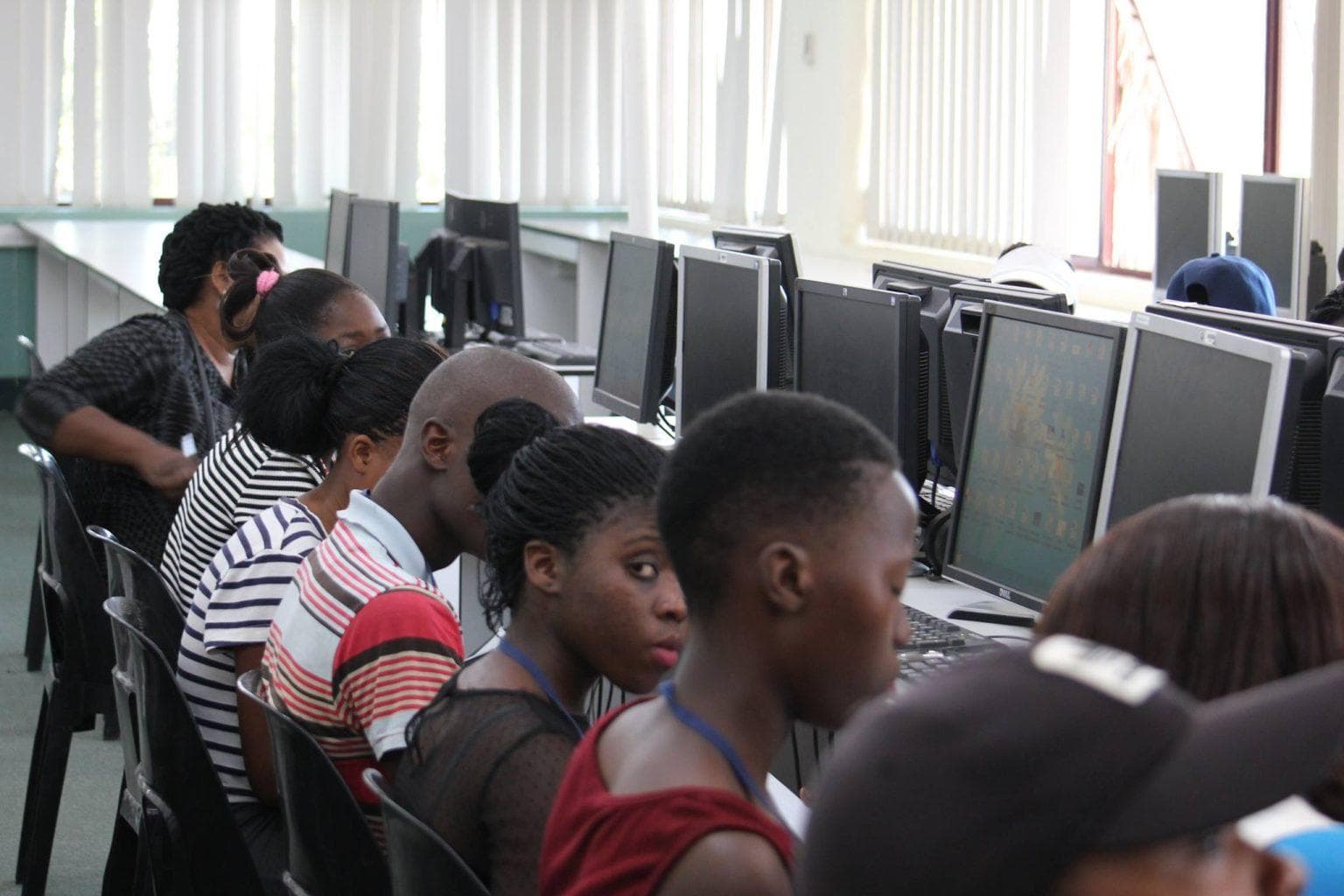


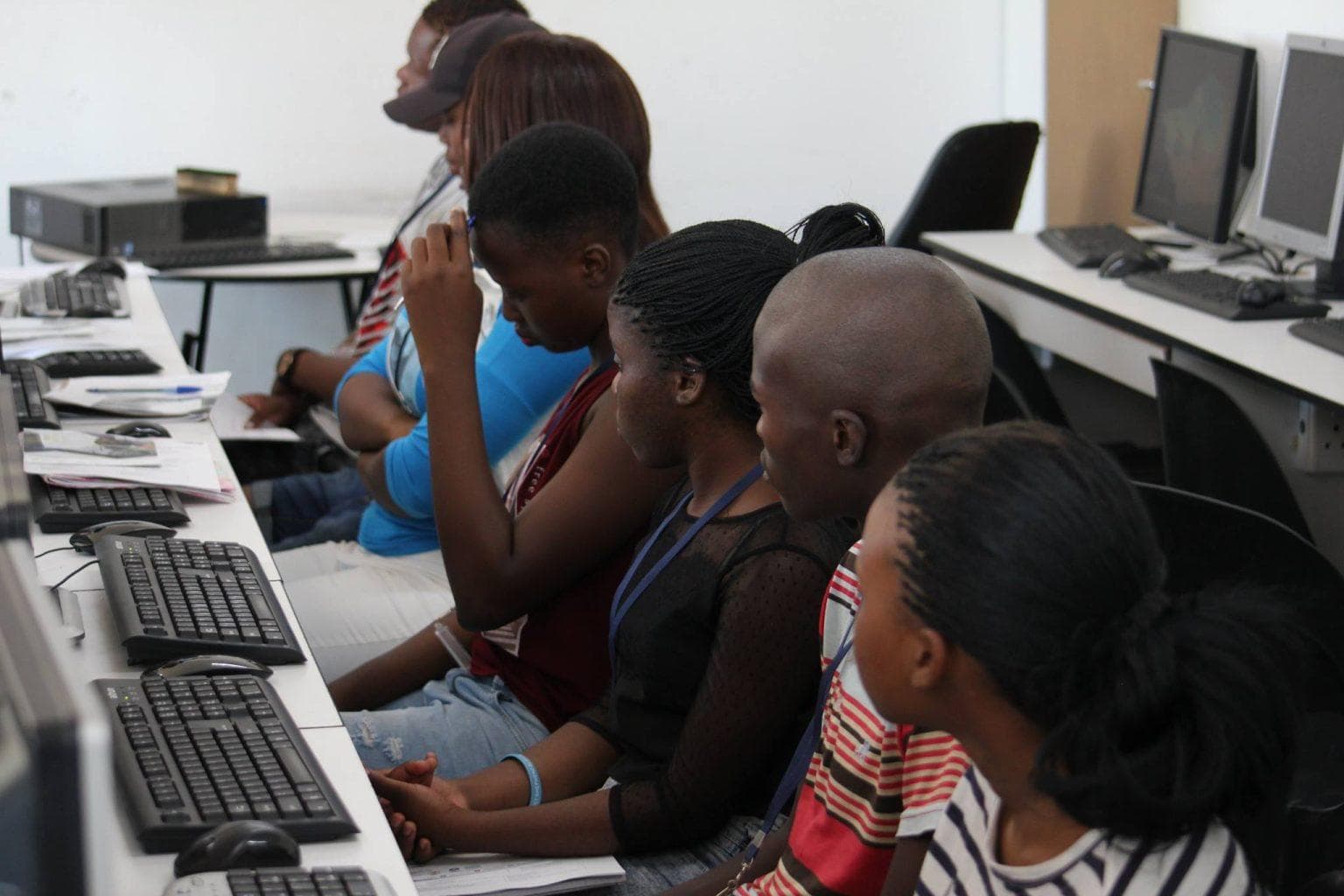
The images in this folder show computer-lab learning in action. That matches the text closely: inclusion is treated as a practical pathway where access and instruction work together, not as a slogan.
In the source copy, digital inclusion is part of a broader preparation for the new normal. That means learners are not only exposed to devices, but are also guided toward innovation, systems awareness, and the ability to solve workplace challenges with confidence.